
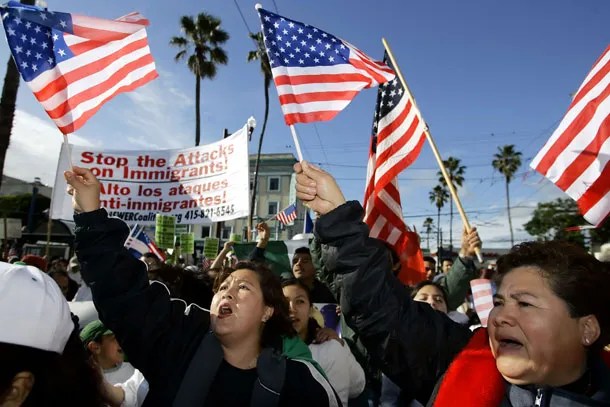
Domestic violence is a pervasive issue that affects individuals across all backgrounds, but immigrant women often face unique challenges that make them especially vulnerable. Their experiences are shaped not only by intimate partner dynamics, but also by the complexities of navigating a new country, culture, and system.
Cultural Expectations and Social Pressures: In many communities, cultural norms may discourage women from speaking out about abuse or seeking help. Expectations around family honor, loyalty, or marital duty can create pressure to stay silent. These norms can leave immigrant women feeling trapped, judged, or unsupported.
Isolation in a New Environment: Moving to a new country often means leaving behind friends, family, and familiar support systems. For many immigrant women, this results in deep isolation. Without a trusted network to confide in, abusive situations can escalate unnoticed. In some cases, abusers may intentionally restrict social contact, making isolation even more severe.
Language Barriers: Limited English proficiency can make it difficult to access resources, navigate the legal system, or even communicate with service providers. Fear of being misunderstood or dismissed can discourage women from reaching out. This communication barrier also enables abusers to control information or mislead victims about their rights.
Immigration Status and Fear: Concerns related to immigration status can be a powerful tool of manipulation. Some abusers exploit their partner’s fears by threatening deportation, withholding legal documents, or giving false information about the consequences of seeking help. This emotional leverage often keeps women from reporting abuse or accessing safety services.
Economic Dependence: Starting over in a new country can mean limited job opportunities, unfamiliar job markets, or credentials that are not recognized. Financial dependence on a partner can make it harder to leave an abusive situation—especially when a woman’s legal status, housing, or children’s stability feel tied to the abuser’s support.
Creating Safer Pathways: Recognizing these unique challenges is the first step in creating meaningful support for immigrant women. Community organizations, shelters, cultural centers, and multilingual hotlines all play a vital role in helping women feel seen, understood, and protected. Increasing awareness helps ensure that immigrant women know they are not alone and that help exists, regardless of language, culture, or immigration status.
 She Carries Culture